Latest Academy Blogs
Select article category or search for specific article:
First Year Relief Teaching: What You Actually Need to Know

Congratulations! You've survived university, completed your teaching placements, and now you're holding that shiny new teaching qualification. You're ready to change the world, one student at a time. But there's just one small problem – the permanent teaching positions aren't exactly falling from the sky, and relief teaching seems like your best pathway into the profession.

If you're feeling a mix of excitement and terror about stepping into relief teaching as a new graduate, you're not alone. The transition from university theory to classroom reality is challenging enough when you have your own class and curriculum to follow. Doing it as a relief teacher – jumping between schools, year levels, and subjects with little notice – can feel overwhelming.

But here's what no one tells you: relief teaching as a new graduate isn't just a steppingstone to "real" teaching. It's actually one of the best professional development experiences you can have. You'll develop adaptability, resilience, and classroom management skills faster than any permanent teacher. You'll see different teaching styles, school cultures, and student populations. Most importantly, you'll discover what kind of teacher you want to become.
The key is knowing how to navigate this unique pathway successfully. Here's your survival guide to thriving in your first year of relief teaching.
Reality Check: What Relief Teaching Really Looks Like

Let's start with honesty. Relief teaching is nothing like your university placements. During placements, you had weeks to prepare lessons, a mentor teacher guiding you, and the luxury of getting to know your students over time. Relief teaching? You might get a phone call at 7 AM asking if you can be at a school by 8:30 AM to teach Year 3 mathematics – a subject you haven't touched since your own primary school days.

You'll walk into classrooms where the lesson plans are non-existent, incomplete, or written in teacher shorthand that makes no sense. You'll face students who see you as either a soft target or an exciting change from routine. Some days you'll feel like a glorified babysitter rather than the inspiring educator you trained to become.

This isn't failure – it's the reality of relief teaching. The sooner you accept this, the sooner you can focus on what you can control and start building the skills that will make you an exceptional teacher.
Building Your Professional Network (It Starts on Day One)

University might have taught you about lesson planning and curriculum, but it probably didn't teach you that teaching is fundamentally a relationship of business. As a relief teacher, your success depends entirely on the relationships you build with school staff, and this networking starts the moment you walk through the school gates.
Arrive early and introduce yourself to the office staff – they're the gatekeepers who decide which relief teachers get called back. Learn the principal's name and make sure they see your face. Thank the teachers whose classes you've covered, and if possible, leave a brief note about how the day went.
Remember that every school you work at is a potential reference and a potential pathway to permanent employment. Schools prefer to hire teachers they know and trust, and relief teaching gives you the opportunity to demonstrate your capabilities across multiple schools.
Mastering the Art of Instant Adaptation

Your university training taught you to plan meticulously, but relief teaching requires a completely different skill set: the ability to adapt instantly. You need to become comfortable with uncertainty and skilled at thinking on your feet.
Develop a mental toolkit of activities that work across multiple year levels and subjects. Simple games like "20 Questions" can reinforce any topic. Basic art activities can fill unexpected gaps. Reading aloud works for any age group if you choose the right material.
Learn to read a classroom quickly. Are the students used to group work or individual tasks? Is this a high-energy class that needs movement, or a focused group that prefers quiet activities? The fastest way to lose control is to fight against the established classroom culture rather than working with it.
The Professional Standards Reality
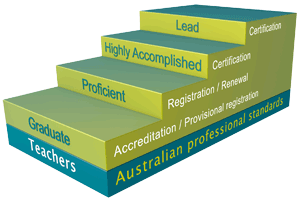
As a new graduate, you're working towards full registration, which means you need to demonstrate the Australian Professional Standards for Teachers. Relief teaching actually provides unique opportunities to evidence these standards, but you need to be intentional about documenting your experiences.
Keep a professional learning journal where you reflect on each day's challenges and successes. Note examples of how you've differentiated learning, managed behavior, or communicated with parents and colleagues. These reflections will be invaluable when it comes time to apply for permanent positions or complete your full registration requirements.
Don't just survive each day – actively look for opportunities to demonstrate professional growth. Volunteer to help with school events, offer to create resources for teachers whose classes you've covered, or suggest improvements to lesson plans (diplomatically, of course).
Managing the Emotional Rollercoaster

Let's be honest about the emotional challenges of relief teaching as a new graduate. Some days you'll feel like you're making a real difference. Other days you'll question whether you're cut out for teaching at all. This emotional rollercoaster is normal, but it's also something you need to manage proactively.
Develop a support network of other relief teachers or recent graduates who understand what you're going through. Join online communities, attend professional development sessions, or simply connect with other relief teachers you meet at schools.
Set realistic expectations for yourself. You're not going to transform every classroom or connect with every student. Some days, success looks like keeping everyone safe and engaged until the bell rings. That's enough, and it's valuable.
The Business Side of Relief Teaching

University probably didn't teach you about the business aspects of relief teaching, but understanding these practicalities is crucial for your success and wellbeing.
Learn about your rights and responsibilities as a casual employee. Understand how your pay is calculated, what happens if you're injured at work, and how to manage your finances when your income is irregular.
Keep detailed records of your work – which schools, which dates, which year levels. This information will be valuable for tax purposes, but also for tracking your professional development and identifying patterns in your work.
Don't be afraid to be selective about the schools and assignments you accept. As you gain experience, you'll discover which environments suit your teaching style and which schools treat their relief teachers well.

Your Pathway to Permanent Employment
Relief teaching isn't just about surviving until something better comes along – it's about strategically positioning yourself for the permanent role you want. Use this time to explore different school types, year levels, and teaching approaches.
Keep track of schools where you'd like to work permanently and make sure, you're visible when opportunities arise. Many permanent positions are filled internally or through networks before they're even advertised publicly.
Continue your professional development during this time. Attend workshops, complete online courses, and stay current with curriculum changes. The Relief Teaching Academy's upcoming course on relief teaching for graduates will provide specific strategies for turning your relief teaching experience into a competitive advantage for permanent positions.
Your Professional Development Journey Continues
Your first year of relief teaching is just the beginning of your professional journey. While these strategies will help you navigate the immediate challenges, there's so much more to learn about building a successful teaching career.
The Relief Teaching Academy is developing specialised training specifically for new graduates entering relief teaching – practical strategies that bridge the gap between university theory and classroom reality. This comprehensive course will give you the confidence and skills to not just survive but excel in your relief teaching role while positioning yourself for permanent employment.
Ready to transform your relief teaching experience from overwhelming to empowering? Join our community of educators who are building successful careers one relief day at a time.
https://www.reliefteachingacademy.com/
Because every expert teacher started exactly where you are now – and with the right support and strategies, your relief teaching journey can be the foundation of an extraordinary career.

Subscribe to get up to date tips, strategies, resources and guidance on all things relief teaching.
Relief Teaching Academy is a service of EPC Capital Pty Ltd.
© Copyright 2023. EPC Capital Pty Ltd. All rights reserved.
Send us a message